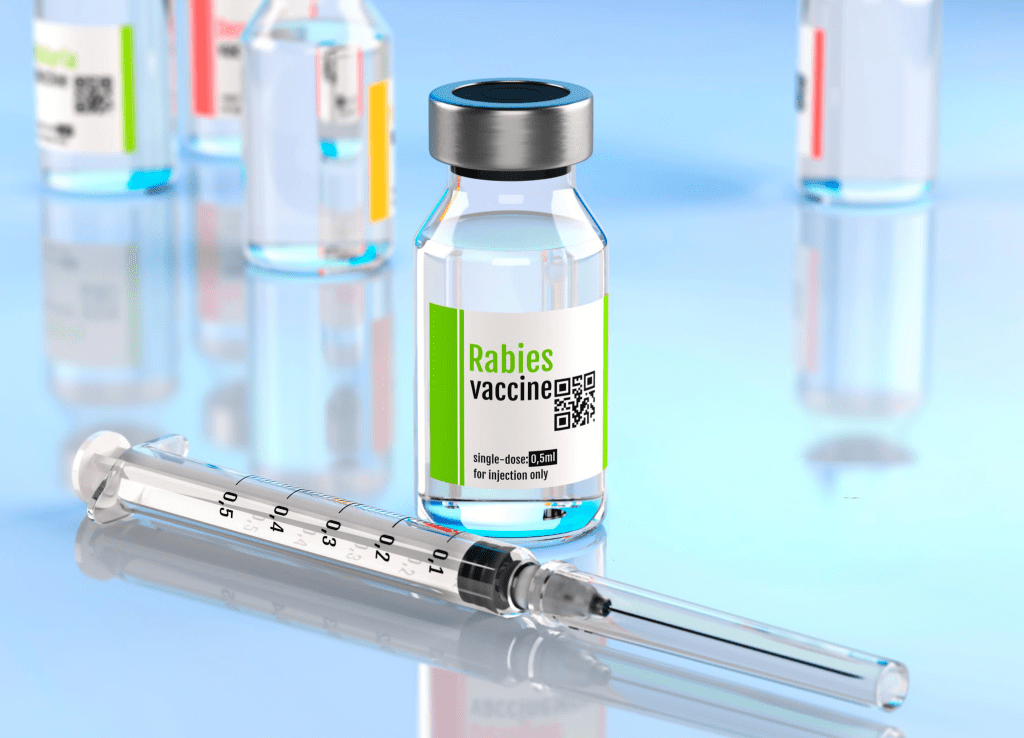
A counterfeit rabies vaccine alert in India has triggered global concern after Australian health authorities(ATAGI) issued a warning over fake doses of the Abhayrab rabies vaccine, allegedly circulating since late 2023. ATAGI cautions that people who received this vaccine (especially travellers) might not be fully protected against rabies if the dose they received was fake. They are being urged to contact healthcare providers to check the authenticity of their vaccine and consider replacement doses if needed.
Meanwhile Indian Immunologicals Limited (IIL), the manufacturer of the rabies vaccine Abhayrab, issued a formal notice regarding allegations of widespread counterfeit distribution. In an official statement, the manufacturer confirmed that only a single batch of counterfeit product was ever detected. IIL emphasized that this specific batch was identified and reported to authorities months ago. Additionally, IIL assured the public that no fraudulent doses remain in the commercial supply chain.
Indian health agencies also closely monitoring the situation. Officials said none mass vaccine failure cases have not reported yet. At the same time, hospitals and clinics have been advised to verify procurement sources and maintain proper vaccine documentation.
Furthermore, experts believe the alert highlights the growing need for stronger supply-chain monitoring to prevent counterfeit medical products.
Why the Alert Is Serious ?
Rabies requires immediate and effective vaccination after an animal bite. Therefore, any compromise in vaccine quality can lead to life-threatening consequences. Health experts warn that counterfeit vaccines may differ in composition, labelling or storage which significantly reduces their effectiveness.
What Patients and Travellers Should Do
Health experts recommend the following steps:
- Check vaccine batch numbers and records
- Consult a healthcare provider if documentation is missing
- Avoid panic but remain informed
- Get revaccinated only if advised by a doctor
The counterfeit rabies vaccine alert in India has brought global attention to medicine safety and regulatory oversight. While the issue appears limited in scope, the incident serves as a reminder that vigilance, transparency and verification are essential in protecting public health.
As investigations continue, both Indian and international health bodies are expected to strengthen coordination to prevent similar incidents in the future.